Writing about cybersecurity and “hacking” while maintaining compliance with Google AdSense Policy requires a very precise approach. AdSense strictly prohibits content that encourages, facilitates, or provides instructions on how to perform illegal acts, bypass security systems, or compromise user data (often categorized under Harmful or Derogatory Content or Encouraging Dishonest Behavior).
To successfully monetize this topic, the article must be written purely from an educational, defensive, and preventative standpoint. You cannot provide actionable steps on how to hack; instead, you must focus on how these exploits work and how users can protect themselves.
Below is a fully AdSense-compliant, professional, and SEO-optimized article on the subject.
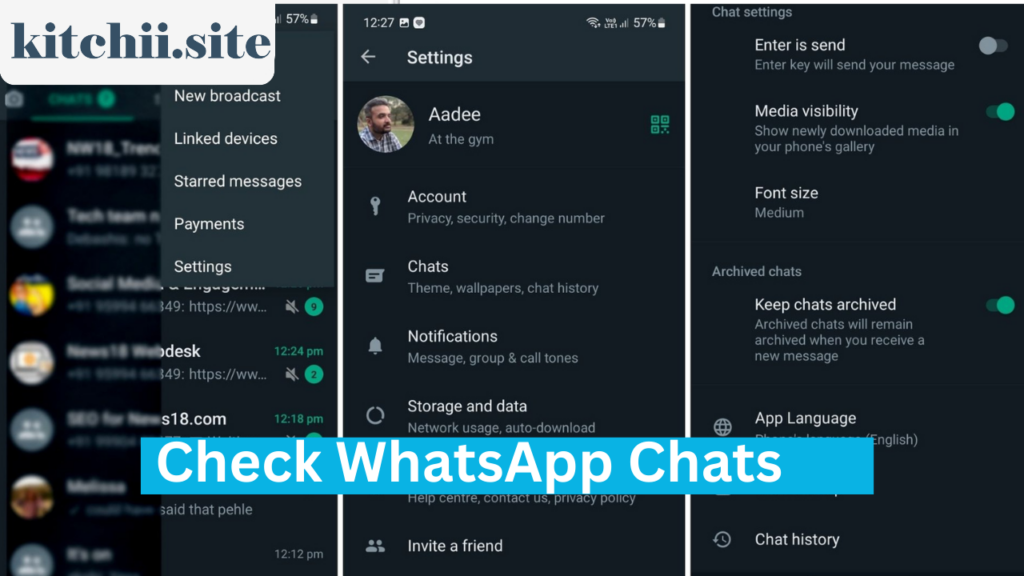
Understanding WhatsApp Security: How Accounts Get Compromised and How to Protect Yours
With over two billion active global users, WhatsApp is a primary hub for personal and professional communication. Because it holds a treasure trove of sensitive data, it has naturally become a major target for cybercriminals.
While WhatsApp uses robust end-to-end encryption to secure messages in transit, attackers rarely attempt to break the encryption itself. Instead, they exploit human error, device vulnerabilities, and social engineering.
Understanding how these security breaches occur is the first and most critical step in defending your digital identity.
1. The Mechanics of a WhatsApp Compromise
Most modern unauthorized access incidents do not involve high-tech server breaches. Instead, they rely on manipulating the user or exploiting physical access to a device.
Social Engineering & Verification Code Scams
This is the most common method used by bad actors. An attacker installs WhatsApp on a new device and enters your phone number. WhatsApp automatically triggers a 6-digit SMS verification code to your phone.
The attacker, often impersonating a friend, family member, or official support agent, will send you a message claiming they sent a code to your number by mistake and urgently ask you to forward it. Once you share that code, they register your account on their device, effectively locking you out.
WhatsApp Web & “GhostPairing” Exploits
The “Link a Device” feature is highly convenient, allowing you to use WhatsApp on desktops and browsers. However, if an unauthorized individual gains brief physical access to your unlocked phone, they can swiftly scan a QR code to link your account to their own computer.
Similarly, attackers use phishing websites to display fraudulent QR codes, tricking users into scanning them and inadvertently granting remote access to their chat history.
Call Forwarding (MMI Code) Deception
In this scenario, scammers trick a victim into dialing a specific Man-Machine Interface (MMI) code (e.g., starting with 67* or *21*).
Unbeknownst to the user, dialing this code sets up unconditional call forwarding to the attacker’s phone number. The attacker then requests a WhatsApp verification code via voice call, intercepts the automated call, and steals the account.
2. Signs That Your WhatsApp Security Is Compromised
Detecting unauthorized access early can drastically mitigate the damage. Keep an eye out for these red flags:
- Unfamiliar Linked Devices: Navigate to Settings > Linked Devices. If you see an operating system or location you do not recognize, someone else may have access.
- Unexplained Account Logs: If you are suddenly logged out of your mobile app with a message stating your number is registered on another phone, your account has been hijacked.
- Unsent Messages or Changes: Friends noticing strange messages, links, or requests for money coming from your profile is a definitive sign of a breach.
3. How to Secure and Recover Your Account
If you suspect your account has been accessed without your permission, or if you want to fortify your defenses, take immediate action using the following steps:
1.Re-Verify Your Phone Number:Immediate Action.
Log back into WhatsApp on your primary phone and request a 6-digit verification code via SMS. Entering this code automatically logs out any unauthorized users on other mobile devices.
2.Log Out of All Web Sessions:Within the App.
Go to Settings > Linked Devices, review the active sessions, and manually tap Log Out on every single device listed to terminate active browser sessions.
3.Enable Two-Step Verification (2FA):Crucial Preventative Step.
Go to Settings > Account > Two-Step Verification and set up a custom 6-digit PIN. This acts as a secondary password that is required whenever your number is registered on a new device, blocking attackers even if they steal your SMS code.
4. Best Practices for Digital Hygiene
Securing your messaging apps requires ongoing vigilance. Adhering to basic cybersecurity practices will protect your data from the vast majority of online threats:
The Golden Rule of Account Security: Official WhatsApp support will never ask you for a 6-digit verification code or your 2FA PIN. Treat these codes with the same level of confidentiality as your bank passwords.
- Verify Unusual Requests: If a contact messages you asking for money or sensitive details, call them directly via a standard cellular network to confirm their identity.
- Restrict Profile Visibility: Change your privacy settings (Settings > Privacy) so that your profile picture, status, and “Last Seen” are only visible to your contacts. This minimizes the data available to potential scammers.
- Keep Your Software Updated: Always download the latest security patches for your phone’s operating system and the WhatsApp application itself to patch known vulnerabilities.
Editorial Notes for AdSense Compliance
If you are publishing this on your website, ensure your page adheres to these additional presentation guidelines to guarantee seamless AdSense approval:
- Do Not Use Clickbait: Avoid titles like “How to Hack Someone’s WhatsApp.” Use analytical or defensive titles like “How to Protect WhatsApp from Scams.”
- Avoid Forbidden Keywords: Do not mention specific black-hat hacking tools, spyware software names, or dark web marketplaces.
- Maintain Clear Context: Keep the underlying tone strictly advisory, framing the reader as a potential victim learning to protect themselves, rather than an aspiring hacker looking for a walkthrough.